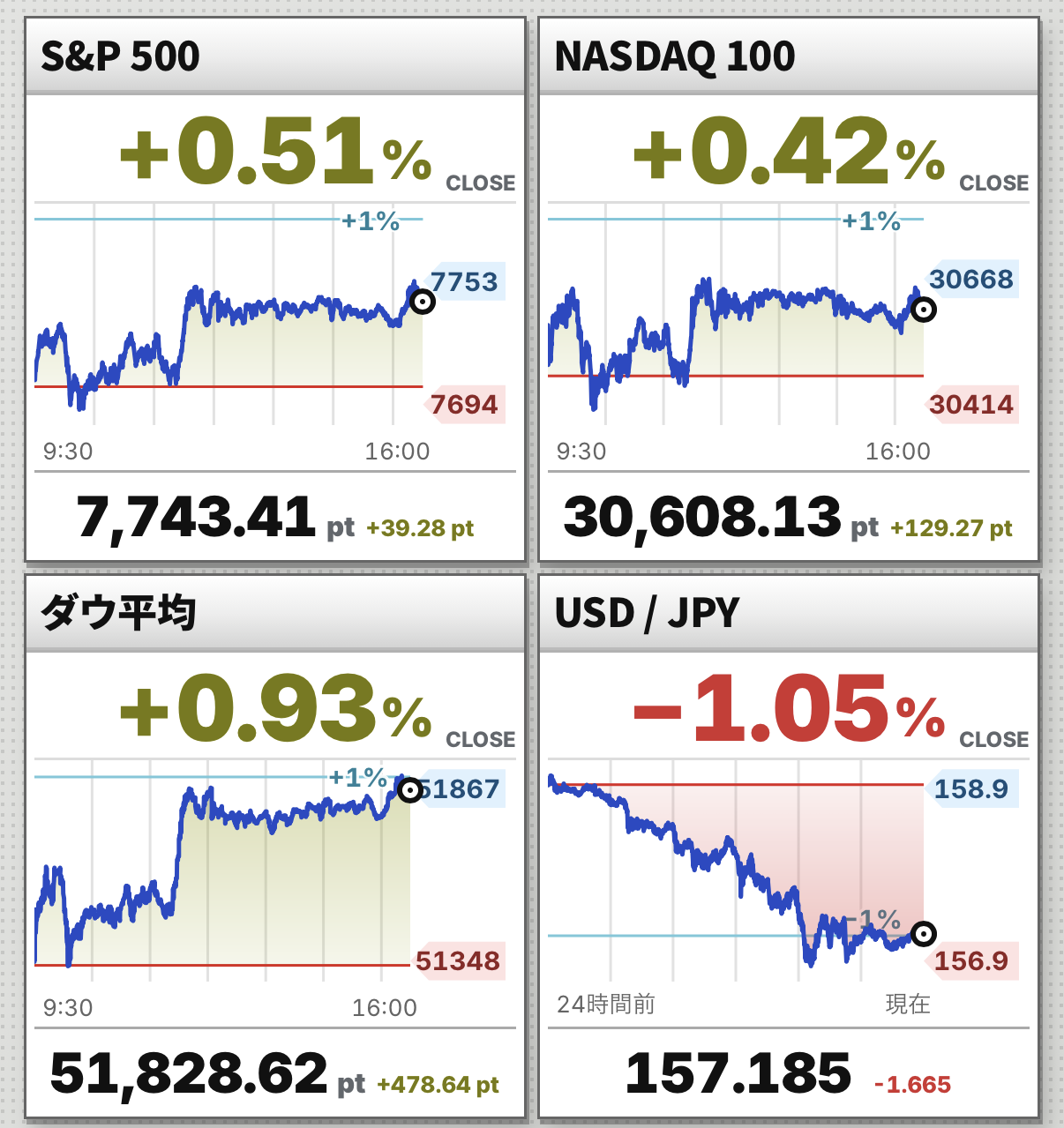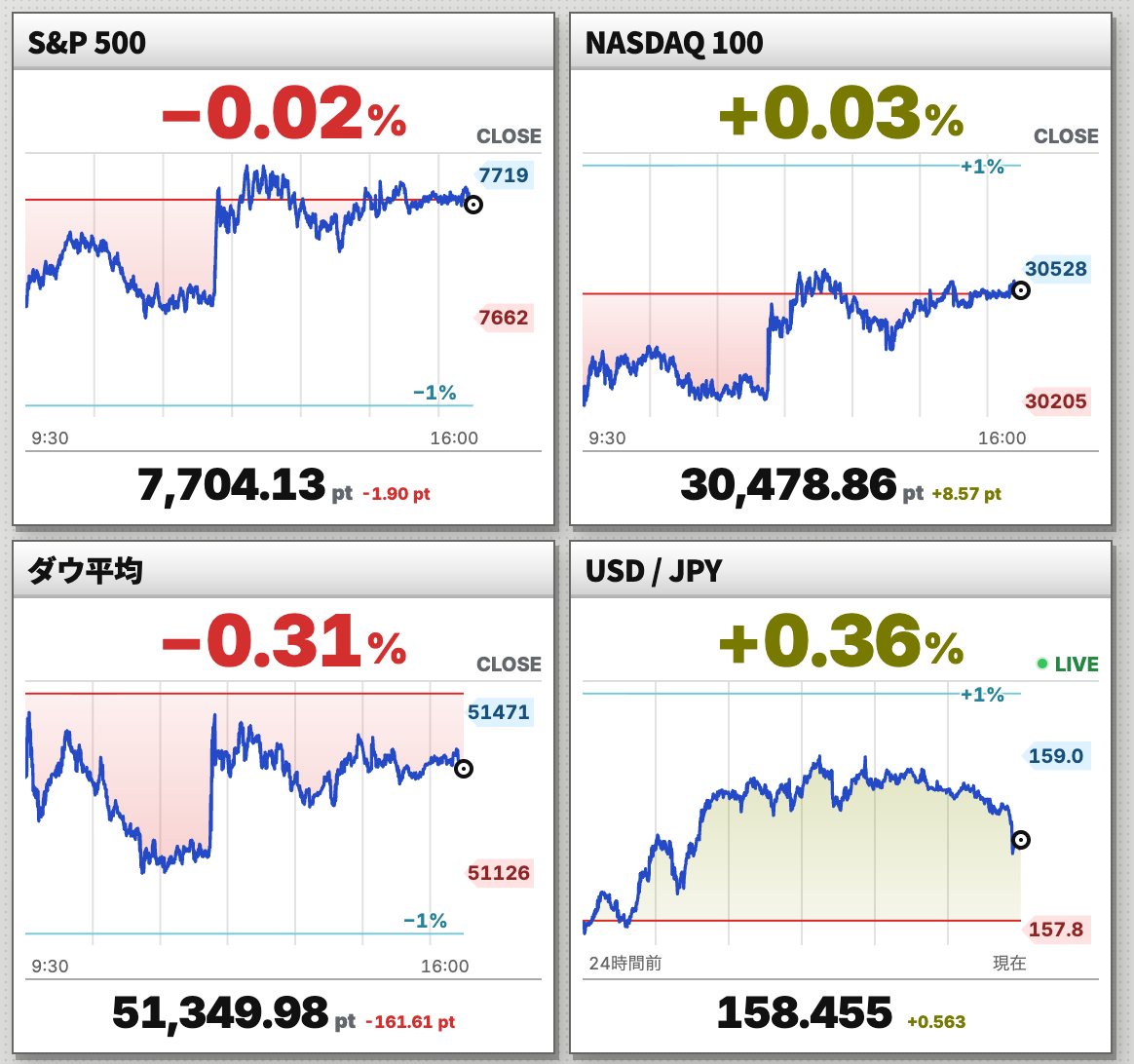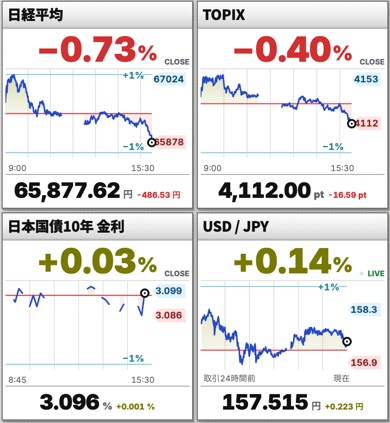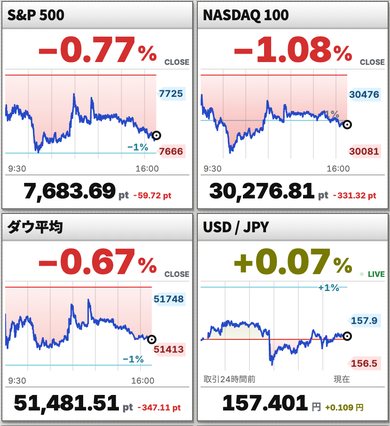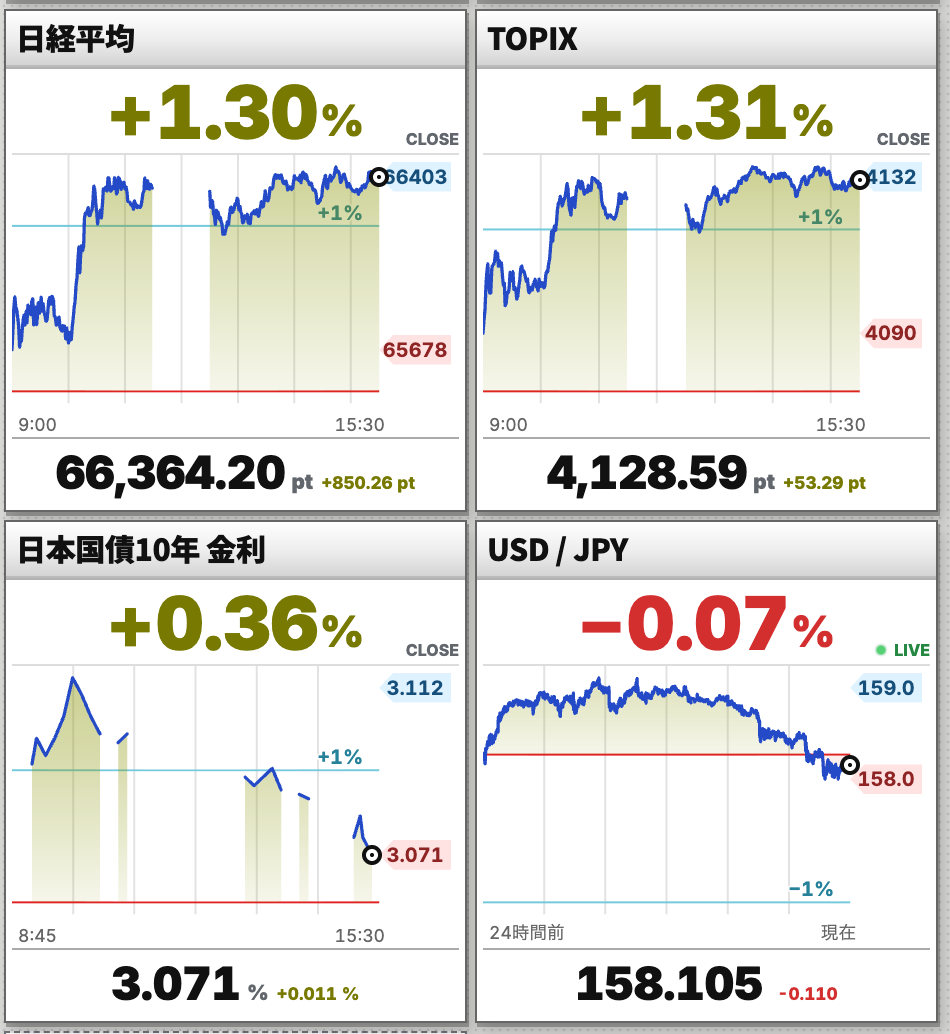
Tokyo stocks rallied broadly on September 25. The Nikkei 225 rose 850.21 yen, or 1.30%, to 66,364.20. TOPIX gained 53.29 points, or 1.31%, to 4,128.59. Advancers on the Tokyo Stock Exchange Prime Market substantially outnumbered decliners. Money Post Web
Buying in AI and semiconductor-related shares helped lift the market. Following gains in U.S. technology stocks the previous day, shares with significant influence on the Nikkei—including Tokyo Electron and Advantest—rose. Those two stocks alone added approximately 488 yen to the Nikkei. Nomura Advance
Bank shares also attracted buying amid rising domestic long-term interest rates. Demand ahead of interim dividend record dates for March-year companies provided additional support. The yen strengthened, and the dollar/yen rate fell to the low 158s in the afternoon, although the impact on equities was limited. Kabutan
The 10 a.m. advance establishes the day's higher range
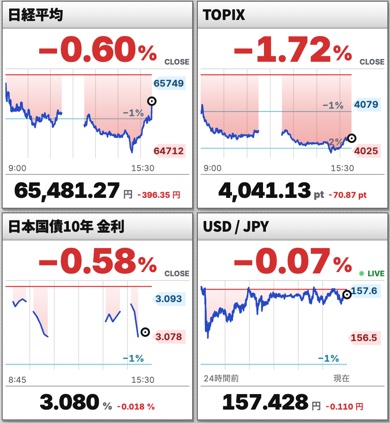
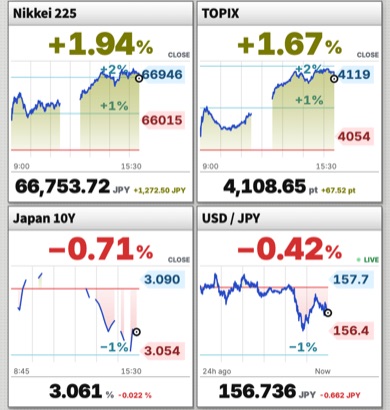
On the Japanese stock charts, the Nikkei's slope steepens at approximately 10–10:30 a.m. after an uneven opening. The TOPIX moves to a higher level at roughly the same time, and both indexes subsequently remain above their previous-close lines. A modest dip just after the 12:30 p.m. afternoon reopening gives way to recovery from the 1 p.m. hour, with the indexes finishing near the upper part of their ranges. Holding the morning advance through the afternoon is more encouraging than an opening rally that immediately fades.
The pattern suggests that semiconductor strength helped lift the market before buying spread more broadly. AI enthusiasm can have an outsized impact on the Nikkei's high-priced constituents, but the TOPIX delivered almost the same percentage gain on this occasion. That supports a reading in which banks and dividend-related demand also contributed, rather than a rally attributable only to a few large technology shares.
Equities hold up despite a firmer yen
The latter part of the rolling USD/JPY chart slopes downward, while the equity indexes avoid a substantial afternoon reversal. A stronger yen can weigh on exporters' translated earnings, but exchange rates alone do not explain this combination. My interpretation is that semiconductor-demand expectations and interest in domestic financial companies outweighed the immediate currency headwind. This was not a session in which a lower dollar automatically meant lower Japanese stocks.
Retaining the morning gains also indicates that the market absorbed profit-taking ahead of the weekend. If buying had been confined to a short-lived morning trade, the afternoon lines would be more likely to trend lower. Instead, dips recovered, suggesting willingness to buy even after prices had advanced. For the following week, the important test is not only whether semiconductor strength continues, but whether the TOPIX keeps moving alongside the Nikkei. A widening divergence would point to leadership narrowing again.
Major Index Closes
- Nikkei 22566,364.20 yen +1.30%
- TOPIX4,128.59 +1.31%