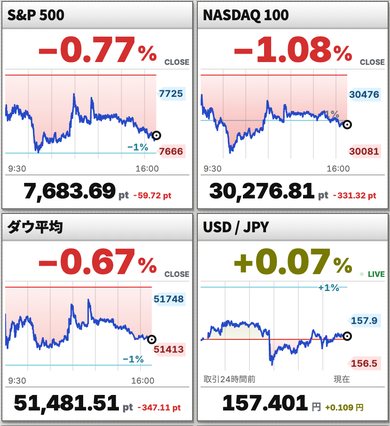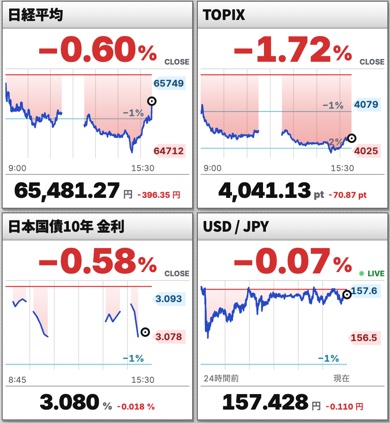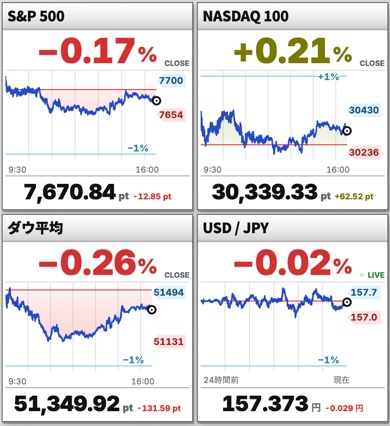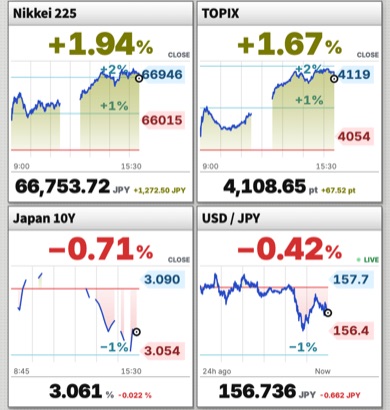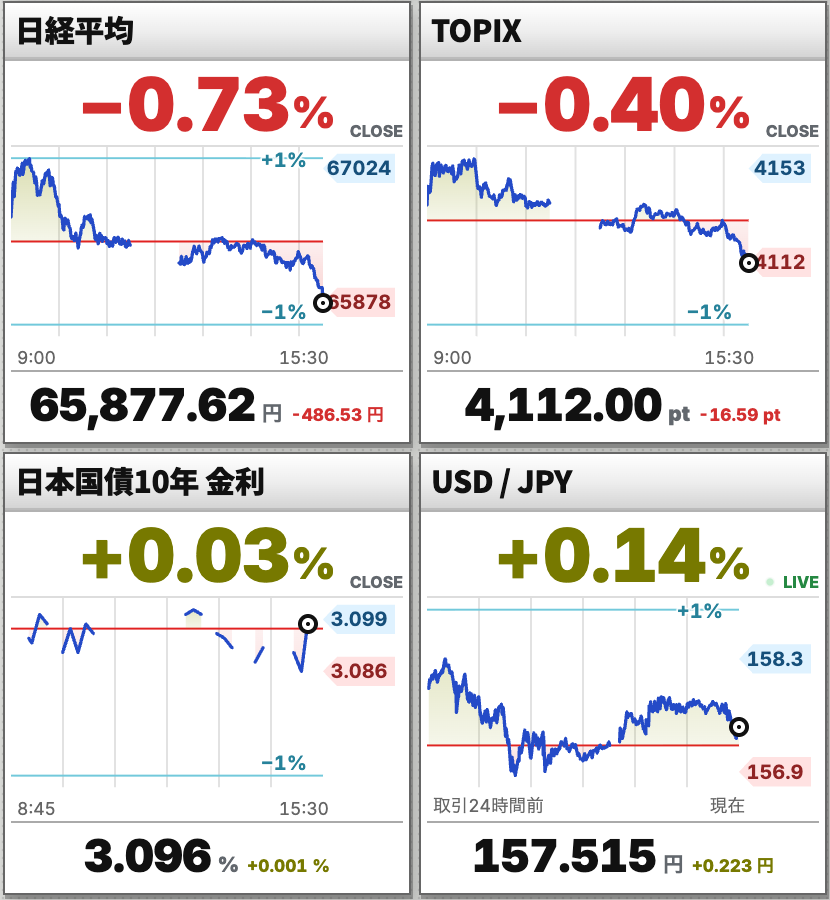
Tokyo stocks reversed lower on September 28, ending the Nikkei 225's six-session winning streak at 65,877.62 yen. The index fell 0.73% from the previous Friday. TOPIX also declined 0.40% to 4,112.00. On the Tokyo Stock Exchange Prime Market, decliners substantially outnumbered advancers, contrasting with the early strength. Kabutan
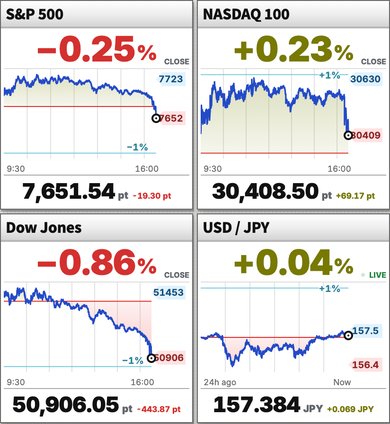
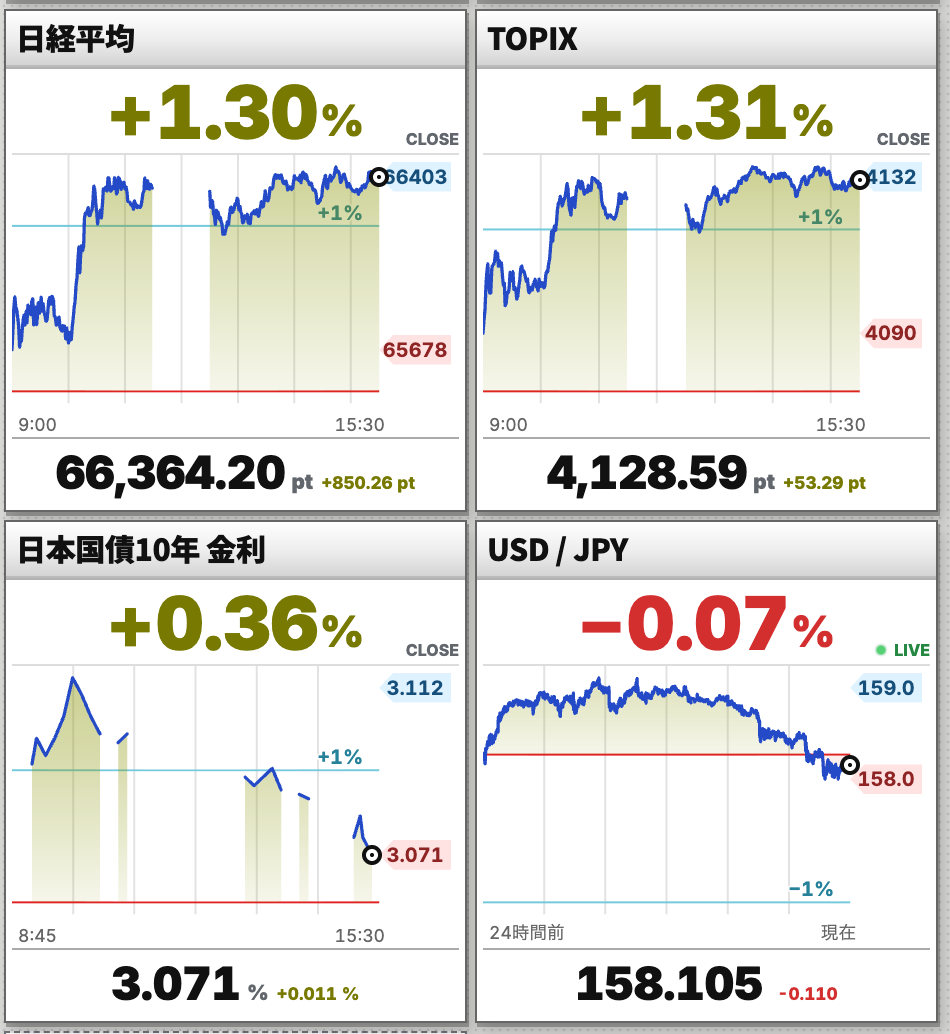
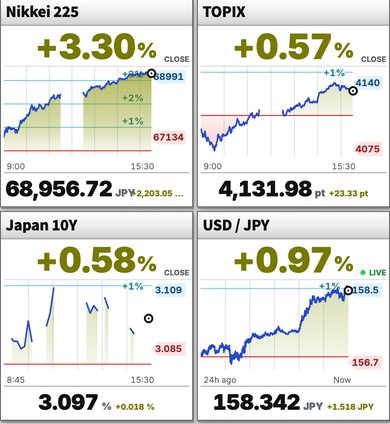
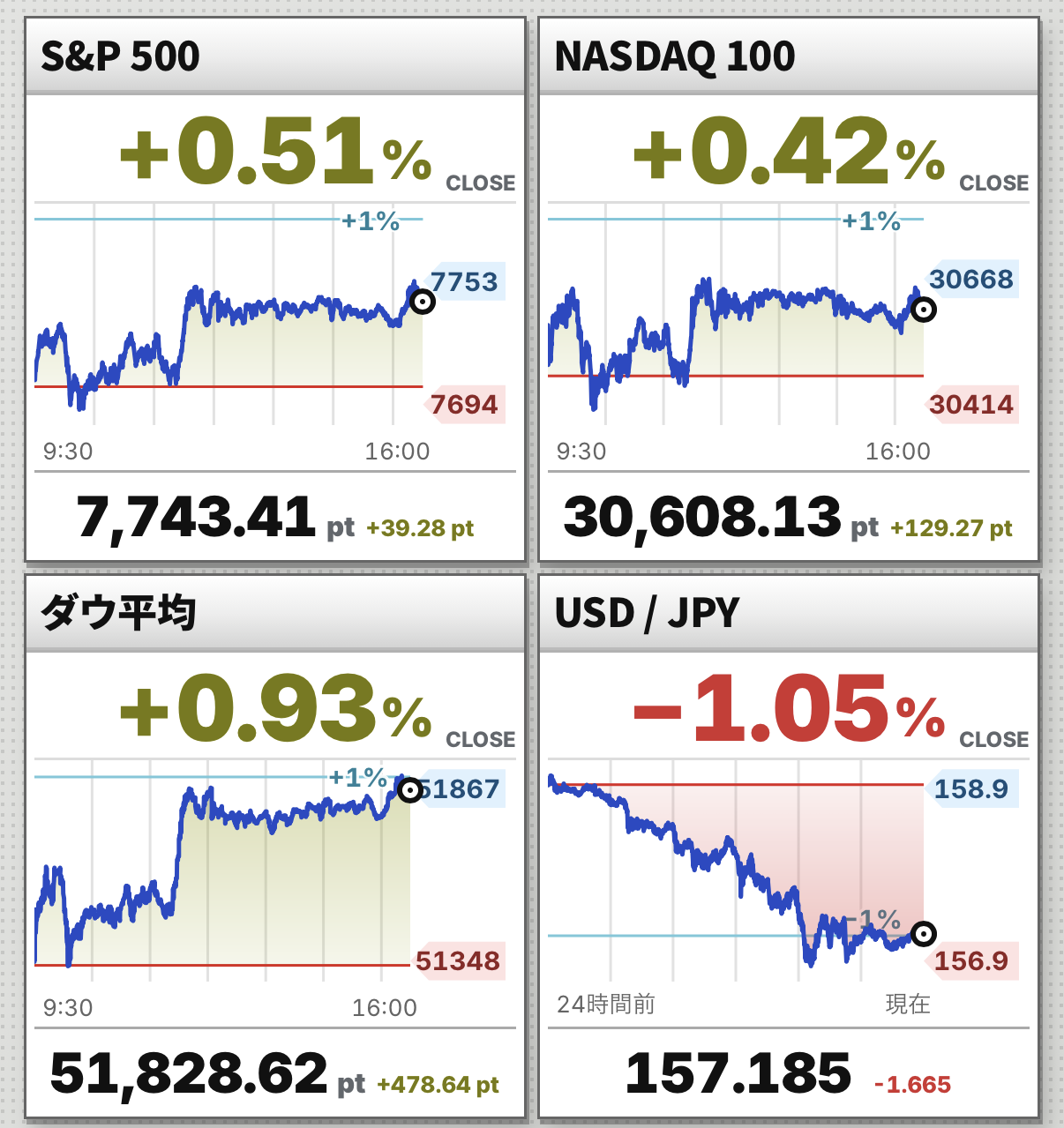
AI and semiconductor-related shares initially attracted buying after U.S. stocks rose the previous Friday. The Nikkei briefly moved above 67,000 but could not hold that level and fell below Friday's close during the morning session. Demand ahead of interim dividends offered some support, while profit-taking after a short rally was also in focus. The charts on this site likewise show the Nikkei and TOPIX retreating from their morning highs and moving below Friday's closes in the afternoon. Reuters
By the close, Ibiden, Advantest, Fast Retailing and Kioxia Holdings were among the stocks weighing on the Nikkei. Insurance and banking were among the few sectors to rise; only four of the Tokyo Stock Exchange's 33 industry groups advanced. Selling was broad enough to overwhelm the morning's buying. Kabutan
A strong opening gives way to increasing selling
The Nikkei chart falls from its elevated 9 a.m. opening range at approximately 9:45–10:30 a.m., losing most of the advance by the end of the morning session. After the 12:30 p.m. reopening, it trades below the previous close. A small recovery during the 1 p.m. hour fails to persist, and losses deepen from around 3 p.m. into the close. The TOPIX also gives up its positive opening and moves below its baseline in the afternoon. The defining feature is the retreat of demand throughout the session, not the initial strength.
The preceding U.S. advance provides a plausible explanation for early semiconductor buying. But after several rising sessions, a higher opening also gives investors an opportunity to realize accumulated gains. The failure to sustain the opening move suggests that selling into good overseas news became more influential than treating that news as the start of another leg higher. An opening gain followed by a lower close reveals more resistance from sellers than the closing percentage alone conveys.
The TOPIX comparison helps identify the selling
The Nikkei's larger loss fits profit-taking in high-priced companies that had led the preceding rally. Yet the TOPIX also finishes lower, so this was not solely a semiconductor-stock reversal. Support from banks and other areas did not generate sufficient demand across the market. The index comparison points to both a reaction in previous leaders and broader position adjustment.
The afternoon bounce followed by another move toward the lows is also telling. Dip-buying was present, but selling continued to outweigh it through the close. Before asking whether the previous close can be regained, the immediate test is whether the afternoon lows hold. The rolling currency line includes other trading hours and should not be assigned to the exact moment of Tokyo's morning reversal. For this session, the more useful explanation centers on demand failing to sustain elevated prices after successive gains, rather than treating a single direction in USD/JPY as the entire cause.
Major Index Closes
- Nikkei 22565,877.62 yen −0.73%
- TOPIX4,112.00 −0.40%